
Backlinks are one of the clearest signals Google uses to decide which websites deserve to rank.
They can look simple from the outside but they quietly shape trust, authority and visibility across almost every competitive search result.
If you are new to SEO or trying to grow a business online, learning how backlinks work will help you make smarter decisions about your content and your marketing.
The Role A Backlink Plays In SEO
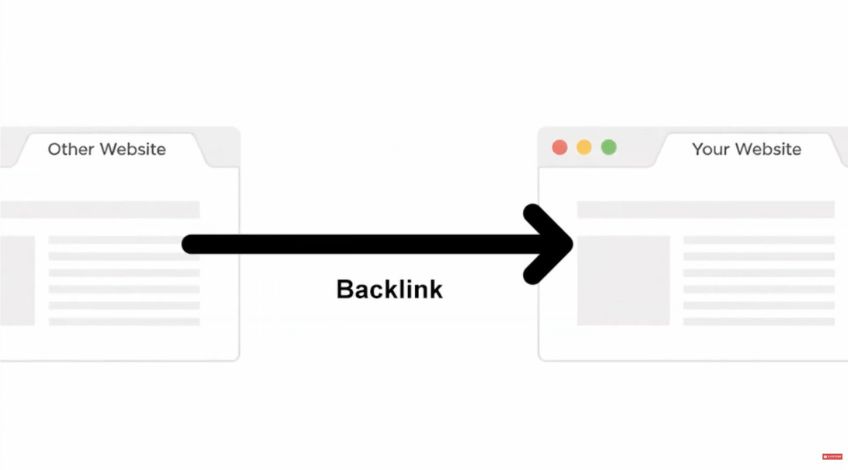
When another website links to yours, that link is a backlink. It tells Google that someone else found your content helpful enough to recommend.
Google treats this as a sign of trust because you cannot fully control what another site chooses to link to.
Internal links help guide visitors around your own website but backlinks do something far more important.
They show that people outside your business see value in what you provide.
Why Google Gives Backlinks So Much Weight
Search engines need a way to separate ordinary content from content that deserves to rank.
Two pages can both be well written and cover the same topic, yet only one of them will reach the top. Backlinks help Google decide which page has earned that position.
This external validation is powerful.
Anyone can claim to be the best at something. It only starts to mean something when other websites point to your work as evidence.
Some backlinks will carry people directly to your site. That traffic is helpful and it can support your SEO because genuine user activity is a known signal.
The truth is that most backlinks bring little traffic.
Their real value lies in how they shape your authority in search results.
If You Build Or Buy Links, Choose Carefully
Not all backlinks are equal. Some can help you grow, while some can damage your site.
Google’s rules say that buying links is a direct violation of their spam policies. They want backlinks to be earned naturally because your content deserves recognition.
The problem is that competitive industries often work very differently in practice.
When you look at top ranking sites in tools like Ahrefs, you will see that many of them rely on paid links.
Google knows this happens and punishes the ones they catch but the incentive to build links remains strong.
If you ever consider buying links, a few checks will help you avoid obvious risks.
Look for websites that receive real organic traffic and keep their outbound links under control because heavy linking often means low quality placements.
Search for websites with clean backlink profiles of their own, free from spam terms or questionable industries.
Numbers like domain rating are easily inflated, so avoid relying on them alone.
Guest posting remains one of the more reliable ways to acquire backlinks but you will need a budget because most site owners now understand the value of the link they are selling.
How To Earn Safe, Natural Backlinks
The safest long term approach is to create content that people genuinely want to reference. These pieces are known as linkable assets and they come in many forms:
- Useful tools
- Practical templates
- Step by step tutorials
- Industry studies
- Infographics
- Case studies
- Courses
When these assets answer real questions in your market, they attract links on their own.
Sharing them on social media platforms can help them gain early traction. Some businesses even run small paid ads to get their assets in front of the right people.
Digital PR is another strong method. When your business appears in online publications or news articles, you often receive backlinks as part of the coverage.
Speaking events, podcasts and sponsorships can also generate trusted links from respected organisations.
Backlinks In The Age Of AI
Backlinks still matter but modern search involves more than links alone.
AI systems look at mentions, brand consistency and your overall reputation across the internet.
Even mentions without a link can contribute to how trustworthy your business appears.
Think of backlinks as a major pillar in a wider structure. They support visibility but they are not the only thing search engines use to understand your brand.
The Bigger Picture Of Backlinks And Ranking
Backlinks play a central role in SEO because they reflect trust that comes from outside your own website.
They help search engines measure quality, decide rankings and understand which businesses deserve attention.
Buying links comes with risks, yet it remains common practice in competitive spaces. If you choose that route, make sure you know how to judge quality.
The safest and most stable path is to create valuable content and linkable assets that attract backlinks over time.
When you pair this with a consistent brand presence across the web, you build the sort of trust that search engines and AI tools reward.