
Backlinks remain one of the strongest signals Google uses to work out which websites deserve to rank.
A link from another site works like a vote of confidence. It tells Google that someone else believes your page is worth paying attention to.
This is also why the backlink industry attracts so many scams.
Business owners get told they need links to compete, yet most are unsure how to judge whether a link is safe or dangerous.
If you buy the wrong type of backlink, you put your entire website at risk.
Why Backlinks Still Carry Weight
Google wants to know which websites are trustworthy. Anyone can publish a page and claim to be the best at something, so Google looks for signals that come from outside your own site.
When another website links to you, it acts as an external vote.
If two websites have similar content quality and similar on page SEO, the one with stronger backlinks almost always wins.
This happens because Google treats that external validation as proof that your page deserves to be seen.
Backlinks can also send real visitors to your site. In practice, this rarely happens but the ranking signal alone is often worth the effort.
Anchor text is part of this signal. It is the clickable text that people use when they link to your page. It helps Google understand your topic but it also has to look natural.
A healthy backlink profile contains branded anchors, generic anchors like “click here” and full URLs. If every link uses the same keyword, Google sees it as manipulation.
Google discourages buying links, yet most competitive industries still do it.
This creates a grey area. You need to avoid the obvious traps and understand what separates a genuine link from a risky one.
The First Check: Does The Site Have Real Traffic?
A safe backlink comes from a site that has real rankings in Google. Organic traffic shows Google trusts that site.
If a publisher claims to be high authority but has no traffic, this is a sign that their domain offers no real value.
Use a tool like Ahrefs to check whether the site receives organic visitors.
If the numbers are near zero, walk away. A site that ranks for nothing holds no value and is usually part of a link selling network.
The Second Check: Does The Site Limit Outbound Links?
Every site has a certain amount of authority to pass on. If a site sells backlinks to everyone who asks, the outgoing links add up and the value of each link drops.
Look at how many websites they link to.
If you see long lists of unrelated posts that point outwards to hundreds of businesses, you can assume they run a link farm.
These sites sell links at scale and Google can pick up on this pattern.
A healthier site links to fewer external pages and does so for genuine editorial reasons.
The Third Check: Does The Site Have A Clean Backlink Profile?
Before you buy a link, inspect the link history of the site you plan to buy from.
A trustworthy domain has anchors that look natural, branded or relevant.
If you find anchors linked to adult content or gambling or obvious spam, take that as a warning.
Once a domain has been targeted by low quality link building, Google becomes cautious. Any link you place there inherits that risk.
You can check this quickly with Ahrefs and the pattern will be clear within seconds.
Why Metrics Like Domain Rating Do Not Tell The Full Story
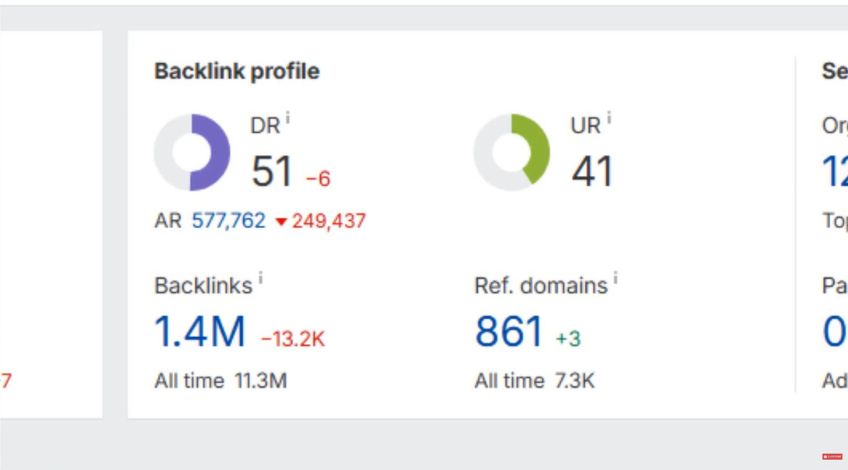
Domain rating looks impressive but it can be inflated with cheap tricks.
Sellers know this and use it as a way to win buyers who do not know how easy it is to manipulate.
People buy expired domains, redirect old sites or run automated link blasts to push their scores higher. The domain can look strong on the surface while offering no real benefit in practice.
Traffic, outbound link quality and clean anchors are far better indicators.
Focus on those and ignore vanity metrics.
What To Do If You Want Safer Backlinks
Buying backlinks always carries a degree of risk but there are more controlled ways to do it.
Guest posting still works because you write a genuine article that fits naturally on the host site. It costs more because publishers know the value of their link, but it remains one of the cleaner methods.
If you want a completely safe approach, build content that naturally attracts links. These are known as linkable assets.
They include useful tools, infographics, studies, templates, tutorials or case studies. They work because people share them without being asked, which gives you real authority over time.
Digital PR also helps. When you are featured in online publications or news sites, you often gain links as part of that coverage.
Podcast interviews, event features and sponsorships also create natural mentions from trusted sources.
Staying Focused On What Really Matters
Backlinks are powerful but they carry risk when you buy them without understanding what makes them safe.
If you choose to pay for links, check for real traffic, controlled outbound links and a clean backlink profile.
These three checks will protect you from most scams.
The safest approach is still to create valuable content that earns links and builds long term trust.
Over time, this gives your business a foundation that Google and other search engines can rely on.