

Schema markup sounds more technical than it really is. At its core, it is simply a way of helping Google understand what sits on your web pages.
When search engines understand your content clearly, they can present it in more useful ways which can lead to better visibility and stronger performance in search.
Adding Meaning To Your Content
Schema markup is a set of hidden labels that sit in your website code. These labels give meaning to the information on your page.
Search engines do not always know what numbers or lines of text refer to, so schema removes the confusion.
If your page shows a string of digits, Google cannot tell if that is a price, a telephone number or a rating.
Once you apply schema, Google knows exactly what those digits represent which makes it much easier for it to interpret your content correctly.
Why Schema Matters In Google Search
Schema can change the way your pages appear in search results. It creates what Google calls rich results which show extra details like prices, ratings or dates.
These features take up more space on the results page and often increase clicks simply because they stand out more clearly.
Schema can also unlock new places in search that your pages would not reach otherwise.
For example, job schema, event schema and video schema can help your pages appear in the dedicated search features Google creates for those content types.
Google provides a full list of supported rich results and it is worth checking which ones fit your business.
It is important to remember that search results evolve constantly. What shows today may change in the future, so treat schema as something you review from time to time rather than a one off task.
Helping Google Recognise Your Brand Online
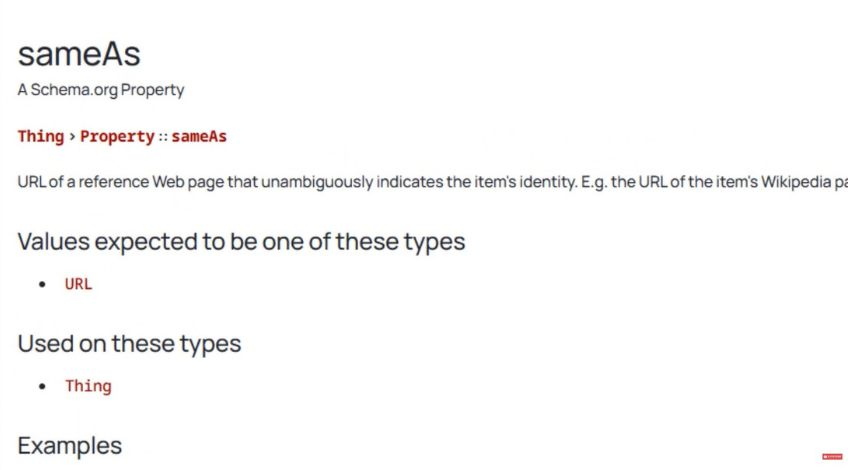
Schema can also help Google understand who your business is across the internet.
When you add certain details to your schema, you can point Google to the other places where your business appears online, such as your social profiles or official listings.
This is done through something called the “sameAs” property.
It works like a small list of links that tells Google these accounts all belong to the same company.
When Google can connect your website, your social profiles and any other trusted pages together, it gains a much clearer picture of your brand.
This improves the consistency of how your business appears in search and helps Google treat all of your online profiles as part of one identity.
How To Check Whether You Already Have Schema Markup
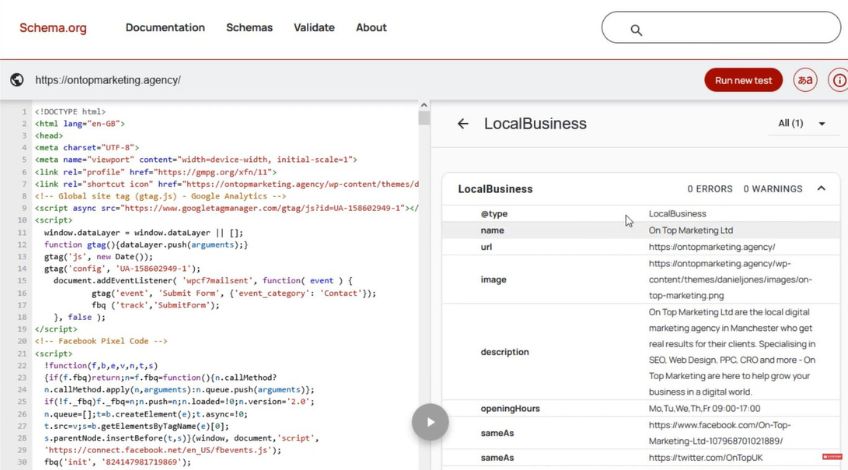
Many content management systems already generate some structured data for you.
This may include product schema on e-commerce platforms or organisation and article schema from SEO plugins.
Before you start adding anything new, run your page through the schema markup validator tool. This will show you what is already there so you do not duplicate or overwrite useful code.
Creating Schema Markup Is Easier Than Most People Expect
If you do need to create new schema, it is simpler today than it ever has been.
In the past, you needed to use generators or write the code manually. These tools still exist and are handy if you want them.
Today, most people use AI to generate schema in JSON format.
All you need to do is ask for the type of schema you want and provide details about your page or business.
Once you have the code, paste it into the validator to check for errors, then ask your developer to add it to your site.
Then test the final URL again in the validator to confirm it has gone live correctly.
It is also useful to inspect your page in Google Search Console to see which rich results you are now eligible for. You will find this under enhancements and experience.
The Bigger Picture
Schema markup provides clarity for search engines.
It helps Google understand the meaning of your content, supports your visibility in rich results and creates more consistency across your brand.
They do not replace good content or strong user experience but they do remove confusion and help search engines interpret your site more accurately.