

Most people waste time doing keyword research the hard way. They sit there guessing what customers might type into Google, then they build pages around those guesses.
A week later, nothing ranks or converts and it feels like SEO is just luck.
Competitor research is the faster route because it shows you what is already working in your market.
If another business is getting traffic from Google, it means their pages are matching real searches that real customers are making.
That is the part you can borrow.
Why Competitor Research Works So Well For Beginners
Keyword tools can feel overwhelming when you are new to SEO. There are thousands of terms, loads of filters and no clear way to choose what matters.
Competitor research simplifies it.
Instead of starting with a blank page, you start with proof. You look at websites that already appear in search results, then you find out which keywords are bringing them traffic.
It is one of the quickest ways to build a strong keyword list without relying on guesswork.
The Simple Truth About Keywords Most People Ignore
A keyword is just a phrase someone types into a search engine when they need something.
That could be “washing machine not draining”, “best builder for extension” or “how much does scaffolding cost per week”.
But here is the key part. Ranking for a keyword is not about adding the phrase to your page a few times.
It is about matching what the person wants when they search.
If someone types “loft conversion cost UK”, they want a straight answer about pricing and what affects it. If they land on a page that only talks about your company history and never explains cost, they leave.
That page will not perform well in search because it does not give the person what they were looking for. So even “good SEO” will not save a page that misses the point.
The Under 10 Minute Competitor Keyword Process
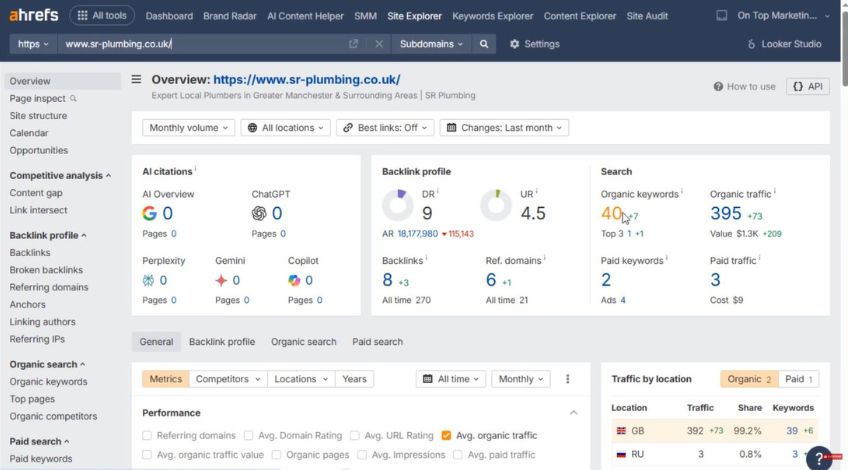
You only need one competitor site to do this well.
Open a keyword tool like Ahrefs, type in a competitor’s website address, then look for the report that shows their organic keywords.
This gives you a list of search terms they rank for, along with the pages bringing in the traffic.
If you want to move even faster, pick two competitors and repeat the same process.
You will usually spot the same themes across both sites and those themes are often the best targets.
What You Should Copy And What You Should Not
Competitor keyword reports often look like a big messy list. So you need a quick filter in your own head. The goal is not to copy your competitor’s wording or content.
The goal is to copy the opportunity.
Start by highlighting keywords that show clear demand for your service. Things like “repair”, “near me”, “cost”, “prices”, “emergency”, “quote” and location terms are usually strong signals.
The key is to look for keywords that line up with your services, your locations and the type of customers you want.
These phrases tend to bring in people who are closer to booking, not just browsing.
Then build better pages than theirs. Make yours clearer, easier to read and more useful for someone who is ready to act.
That is where rankings come from.
The Keyword Intent Check That Saves You From Wasted Pages
Once you find a keyword, ask yourself what the person is trying to do. Most searches fit into one of four intent types.
Informational searches happen when someone wants help or an answer, like “why is my boiler pressure dropping” or “how to unblock a drain”.
Navigational searches happen when they are trying to reach a specific website, like “Checkatrade login” or “YouTube Studio”.
Commercial searches happen when they are weighing up options before choosing, like “best locksmith near me” or “solar panel cost UK”.
Transactional searches happen when they are ready to take action, like “book MOT near me”, “pest control quote London” or “buy iPhone 15”.
Competitor research becomes even more powerful when you use intent properly because it tells you what type of page you should build.
A service page will not rank well for an informational search if the person wants a guide, not a quote.
Long Tail Keywords Often Beat Bigger Keywords
A lot of people chase broad keywords because they sound important. They go after terms like “accountant” or “kitchen fitter” because they feel like the main prize.
The problem is those keywords are competitive and vague. Long tail keywords are longer, more specific searches like “tax return help for self employed” or “kitchen fitter for small galley kitchen”.
They usually have lower search volume but they are easier to rank for and often convert better because the person searching is being clear about what they need.
Competitor sites can uncover loads of long tail terms you would never think of on your own, especially the exact wording customers use.
Why Competitors Reveal The Words Customers Actually Use
One of the biggest surprises in SEO is that customers often search in plain language. They do not always use the professional term you use on your website.
You might call your service “luxury vinyl tile installation”, while customers might search “vinyl flooring fitters near me”.
Competitor keywords show these differences quickly, which helps you write in a way that matches real searches rather than internal business language.
What To Do Once You Find Your Best Keywords
Once you have a shortlist, do not try to cram every keyword onto one page.
Pick one main keyword per page and build content that matches the intent.
If it is informational, write a helpful guide. If it is commercial, create comparisons or pricing advice. Or if it is transactional, make it easy to book, call or enquire.
That is how you turn competitor research into pages that rank and bring in leads, without spending days stuck in keyword tools.