

Most people do the hard part first. They work out which keyword to target, they pick the page and they even write a decent draft.
Then they look at the finished page and think, “Why does this still feel a bit thin”?
Usually, it is because the page is only speaking in one phrase.
Google does not judge a page just on whether a keyword appears. Google looks for signs that the page actually understands the topic.
That is where LSI keywords come in.
LSI Keywords Are Basically Topic Clues
LSI stands for latent semantic indexing but you do not need the technical term to use the idea.
In simple terms, LSI keywords are the related words that naturally show up when someone genuinely knows what they are talking about.
They are not synonyms. They are the supporting vocabulary that belongs on the page.
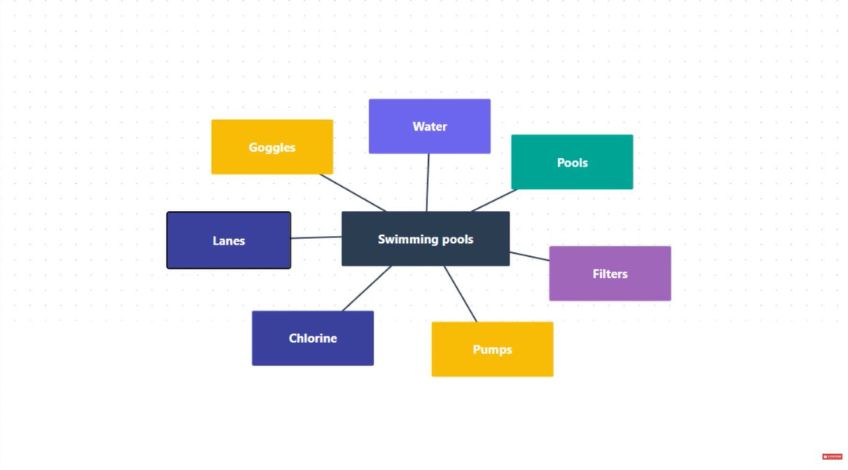
A swimming pool page would naturally mention pumps, filters, water and chlorine. A running page would naturally mention shoes, cardio and marathons.
When those sorts of words show up, Google gets a clearer picture of what the page covers.
Why This Helps Google So Much
Google is trying to avoid ranking pages that are built around one keyword but do not actually answer the query properly.
So if a page claims to be about swimming pool installation but never mentions any of the things a real pool installation conversation would include, it raises doubts.
It can look like the content is written to rank rather than written to help.
Related terms reduce that risk because they add context. They also make it easier for Google to understand what your page is about without needing you to repeat the same phrase again and again.
The Difference Between Helpful Context And Overoptimising
Using your main keyword across the page is normal as it reinforces the topic.
But forcing it into every sentence is where people go wrong. The page starts to read strangely and overoptimising can hurt rankings rather than help.
LSI keywords are a more natural way to build relevance.
They help the page feel complete without turning it into a keyword checklist.
Where LSI Keywords Typically Show Up On A Page
Think of your on page SEO as two layers.
The first layer is the foundation. Your keyword needs to be in the title tag, H1 and URL. If it is missing from those three places, it is often hard to rank.
The second layer is the detail. This is where LSI keywords live.
You will usually see them in:
- Your H2 and H3 headings
where you break the topic into proper sections - The body content
where you explain the process, options and common questions - Examples and descriptions
that make the page feel real
Using headings properly also makes the page easier to scan, which supports time on page and reduces bounce rate. That matters because those are strong user signals.
Just keep the hierarchy clean and do not skip heading levels. Use them to structure the content, not to change font size.
How To Build an LSI Keyword List Without Tools
You do not need to invent these terms. You can borrow the pattern from what already ranks.
Here is a practical approach:
- Search your main keyword in Google
- Open a few of the better pages that are ranking
- Skim the headings and the repeated terms they use when explaining the topic
- Make a short list of words and subtopics that keep appearing, then use only the ones that genuinely fit your page
If you want to speed it up, tools like SEO Quake and Page Optimizer Pro can help you see patterns faster.
The manual approach still works fine, especially when you are starting out.
The Best Way To Think About It
LSI keywords are not a separate task. They are often just proof that your content is doing what it should be doing.
If you write clearly, cover the topic properly and stop trying to force the same phrase into every line, the right related terms usually show up on their own.
That is what helps Google trust the page. It reads like a real answer, not a page built around a keyword.