

Schema markup is one of those topics that gets mentioned a lot in SEO. Business owners hear the term and picture long strings of code or developers tapping away in the background.
Some people treat it as a magic trick that boosts rankings overnight, while others ignore it completely because it looks too technical.
In reality, schema has a simple purpose. It gives search engines clearer information about your pages so they can understand what you offer without guessing.
Why Schema Markup Makes Your Pages Easier To Understand
Schema markup, also called structured data, is hidden code added to your web pages.
Its job is simple: It labels the information on your site so Google understands it clearly.
Search engines can read words on a page but they do not always understand what each piece of information represents.
If your page includes a set of numbers, Google may not know whether they are a telephone number, a product price or a review score.
Schema clears this up by adding hidden labels that define what each element means.
This added clarity reduces interpretation errors, helps Google trust the information on your site and in many cases unlocks enhanced visibility in the search results.
Can Schema Markup Help You Rank Higher?
Schema by itself does not push you above your competitors. Google does not treat it as a ranking button you switch on and see results the next day.
What schema can do is support the signals that influence rankings:
- It improves clarity which reduces misinterpretation of your content
- It unlocks rich results that increase click through rate
- It helps you appear in sections where your competitors may already be showing
- It signals the type of entity your brand represents which supports Google’s understanding of your business
The important point is you can implement schema correctly and Google may still decide not to show a rich result.
This happens often and it does not mean the schema should be removed. It still helps Google understand your pages behind the scenes.
If you are trying to compete in the regular search results, one useful trick is to review which schema types your top ranking competitors use.
If all the high performing pages in your niche include local business schema or product schema, there is a good chance you should use it too.
How Schema Changes The Way You Appear In Google
Schema markup does not guarantee better rankings but it can change how your listing appears and how often your pages show in specialised sections of Google.
Rich results make your listing stand out
When schema is used correctly, your listing can show extra details in the search results.
These could include review stars, product prices, FAQ dropdowns or other enhanced elements. These are known as rich results.
A more detailed listing usually attracts more clicks.
That matters because click through rate is a user signal that supports your rankings over time, even though schema itself is not a direct ranking booster.
It unlocks visibility in certain Google features
Some areas of Google simply will not show your page unless the correct schema is in place. Examples include Google’s dedicated sections for jobs, events and videos.
If the relevant schema is missing, your page will never appear in those sections no matter how strong your content is.
This is why Google maintains a public list of every schema type they support and how each one can enhance a website’s appearance. It is worth checking which options match your business.
It helps Google recognise your brand
Schema can also connect your business to your official profiles across the web. This is done through the sameAs property.
When Google can clearly link your website to your YouTube channel, LinkedIn page or Facebook profile, it has a stronger understanding of who you are as a brand.
That clarity benefits your long term visibility in both search engines and AI tools.
When Schema Markup Is Worth Adding To Your Site
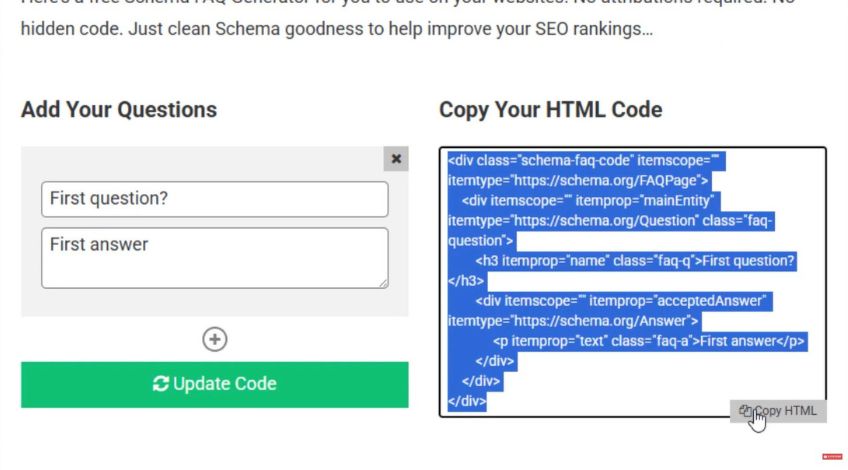
Before adding, it helps to know where schema will make a real difference:
When your platform already supports it
Many content management systems generate schema automatically.
E-commerce platforms often create product schema and SEO plug ins may add article or organisation schema without you lifting a finger.
Always check what you already have using Google’s schema markup validator before adding anything manually.
When you want to appear in a specific Google feature
If your business runs events, promotes jobs or publishes videos, schema is essential if you want those pages to appear in Google’s specialised areas.
Without it, Google has no structured signal to recognise the content type.
When competitors set a clear standard
If the top ranking sites in your niche all use a particular schema type, it makes sense to match that practice.
It helps keep your content competitive and removes any ambiguity about what your page is meant to represent.
Where Schema Fits Into A Healthy SEO Setup
Schema markup is not a shortcut to higher rankings but it is a reliable way to improve clarity, support search engines and enhance how your pages appear.
It can unlock extra visibility, strengthen your brand signals and improve click through rate when used correctly.
These benefits build slowly but they are dependable which makes schema a worthwhile part of your wider SEO setup.